


KG Detailed Used Car Inspection Checklist

Updated: Jun 26
Buying a used car, truck, or SUV can be a great way to save money, but only if you know what you’re getting into before you hand over the cash. A quick pre-purchase inspection can help you spot red flags, avoid expensive surprises, and feel more confident about your decision!
Use this KG Detailed Used Car Inspection Checklist before buying your next vehicle.
1. Check the Vehicle History
Before looking too closely at the vehicle, do a little homework.
Ask for the VIN number. This will lead you to the next step which is VERY important.
Check the vehicle history report. We like to use Carfax and you will need to spend a little money here for the report. Spending a little now is better that having to spend a LOT later for unexpected surprises.
Look for accident history.
Check for flood damage or salvage titles.
Verify mileage records.
Look for repeated ownership changes. If the current owner has not had it for very long, you could be looking at someone's quick flip. These are not necessarily a bad idea, just make sure everything adds up.
Confirm the title is clean and in the seller’s name. If it is not, you could be looking at a situation mentioned in the previous bullet point.
Watch for liens, branded titles, or title issues.
2. Inspect the Exterior
Walk around the vehicle slowly and look for anything that seems uneven, damaged, or recently repaired.
Check for dents, scratches, rust, and paint damage.
Look for mismatched paint colors between panels.
Check body panel gaps around doors, hood, fenders, and trunk.
Inspect the windshield and windows for cracks or chips.
Check headlights, taillights, turn signals, and brake lights.
Look for signs of poor collision repair.
Make sure doors, hood, and trunk open and close properly.
3. Inspect the Tires and Wheels
Tires can tell you a lot about how a vehicle has been maintained.
Check tread depth on all four tires.
Look for uneven tire wear.
Check for cracks, dry rot, or bulges in the sidewalls.
Make sure all tires match in size and type. Mismatched tires are a good indicator that the vehicle did not have regular tire rotations or someone could be trying to flip it for a quick profit.
Inspect wheels for bends, cracks, or curb damage.
Look for signs of alignment or suspension issues. These will include uneven tire wear, leaking shocks or struts and/or a bouncy or rough feeling when hitting bumps.
Check that the spare tire, jack, and lug wrench are included. Oddly enough, these are frequently missing unfortunately.
4. Look Under the Hood
The engine bay does not need to be spotless, but it should look reasonably maintained.
Check engine oil level and condition.
Look for oil leaks around the engine.
Check coolant level and color.
Inspect belts and hoses for cracks or wear.
Look for corrosion around the battery terminals.
Check brake fluid and power steering fluid if accessible.
Look for signs of overheating. A low coolant level, bubbling in the overflow tank or fluid leaks may be signs that you need to pass.
Listen for knocking, ticking, or unusual engine noises.
Watch for smoke from the exhaust. Smoke will linger in the air where steam will disappear.
5. Check Under the Vehicle
A quick look underneath can reveal expensive problems.
Look for oil, coolant, transmission fluid, or differential leaks.
Look underneath for rust on the frame, suspension, and rocker panels. This will be especially important if you're looking at a vehicle that has spent any amount of time in the rust belt. These are states that experience frequent ice and snow events and use lots of salt to keep the roads clear. A year or two may not be a big deal, but several years will take a toll and it's best to avoid these vehicles!
Inspect exhaust pipes and muffler for holes or damage.
Look for damaged skid plates, splash shields, or underbody panels.
Check for signs of off-road abuse on trucks and SUVs.
Look for bent suspension parts or fresh undercoating that could be hiding rust.
6. Inspect the Interior
A clean interior is nice, but function matters most.
Check seats for tears, stains, or excessive wear.
Test all seat adjustments.
Inspect seat belts for proper operation.
Check carpet for dampness or musty smells.
Look under floor mats for signs of water damage.
Test windows, locks, mirrors, and sunroof if equipped.
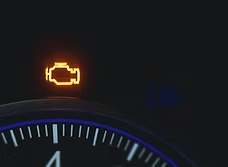
Check dashboard warning lights.
Test the radio, backup camera, and infotainment system.
Make sure heat and air conditioning work properly.
Check for missing trim pieces or broken interior parts.
7. Start the Vehicle Cold
A cold start can reveal problems that may disappear once the engine warms up.
Ask the seller not to warm the vehicle up before you arrive. Very important!
Listen for hard starting, rattles, ticking, or knocking.
Watch the exhaust for blue, white, or black smoke.
Make sure the idle is smooth.
Check for warning lights after startup.
Listen for squealing belts or unusual noises.
Make sure the vehicle reaches normal operating temperature.
8. Take a Test Drive
Never buy a used vehicle without driving it first!
Test the vehicle at city and highway speeds.
Make sure the engine accelerates smoothly.
Check that the transmission shifts properly.
Listen for clunks, rattles, humming, or grinding noises.
Make sure the steering feels tight and responsive.
Check for pulling to one side.
Drive over small bumps to listen for suspension noise.
Confirm cruise control works if equipped.
Make sure all gauges operate normally.
9. Check the Brakes
Brake repairs can add up quickly, so pay close attention.
Listen for squeaking, grinding, or scraping.
Feel for vibration when braking.
Check if the brake pedal feels soft or spongy.
Make sure the vehicle stops straight.
Look through the wheels at brake pad thickness if visible.
Check rotors for deep grooves or heavy rust.
Test the parking brake.
10. Check the Transmission and Drivetrain
Transmission and drivetrain problems are often expensive repairs.
Make sure automatic shifts are smooth.
Watch for slipping, hesitation, or harsh shifting.
For manual transmissions, check clutch engagement.
Listen for whining, grinding, or clunking.
Test reverse gear.
On 4x4 vehicles, test four-wheel drive engagement. Push button activated 4wd systems rely on electronic motors or vacuum operated actuators to engage the system and if not exercised regularly, they can stick and become inoperative.
Look for leaks around the transmission, transfer case, and differential.
11. Check Electronics and Features
Modern vehicles are full of electronics, and even small issues can be annoying or costly.
Test every key and key fob.
Check power windows and door locks.
Test headlights, high beams, fog lights, and hazard lights.
Test wipers and windshield washers.
Check the horn.
Test backup camera and parking sensors.
Make sure Bluetooth and charging ports work.
Check heated seats, cooled seats, and steering wheel controls if equipped.
Confirm all dashboard lights turn on briefly and then go off after startup.
12. Look for Signs of Flood Damage
Flood-damaged vehicles can hide major electrical and mechanical issues.
Smell for mildew or musty odors.
Check carpets for dampness.
Look under seats for rust.
Inspect seat tracks and bolts for corrosion.
Check inside the trunk or cargo area for water stains.
Look for mud or debris in hidden areas.
Be cautious of strong air freshener smells.
13. Review Maintenance Records
A well-maintained vehicle is usually a safer bet.
Ask for service records. If the vehicle was serviced at a dealer or professional service center, these records will be shown on the Carfax report.
Look for regular oil changes.
Check for timing belt service if applicable. Very important! Most timing belt engines have piston to valve interference which means if the timing belt breaks, expensive engine repairs will be required.
Confirm transmission service history.
Look for brake, tire, and suspension maintenance.
Check if recalls have been completed.
Ask what repairs have been done recently.
Ask why the vehicle is being sold.

14. Consider a Professional Inspection
Even if the vehicle looks good, a second opinion is worth it.
Have a trusted mechanic inspect the vehicle before purchase.
Ask for a lift inspection to check underneath.
Request a scan for diagnostic trouble codes.
Have the mechanic check brakes, suspension, leaks, and drivetrain.
Use the inspection results to negotiate price or walk away if needed.
15. Red Flags to Watch For
Some warning signs should make you slow down or walk away.
Seller refuses a pre-purchase inspection.
Title does not match the seller’s name.
Vehicle history does not match the seller’s story.
Dashboard warning lights stay on.
Heavy smoke from the exhaust.
Major rust on the frame.
Transmission slips or shifts harshly.
Engine knocks or overheats.
Strong mildew smell inside.
Fresh undercoating hiding rust.
Price seems too good to be true.
Seller pressures you to buy immediately or says "You better hurry, I have several people wanting to see it."
Final Thoughts
A used car inspection does not have to be complicated. Take your time, check the basics, and trust what the vehicle is telling you. A clean, well-maintained vehicle should have nothing to hide. If something feels off, it probably deserves a closer look before you buy.
Using this detailed used car inspection checklist and doing a little inspection work now can save you from a wallet-sized pothole later!


Comments