


DIY Car and Truck Repair FAQs
Doing your own car or truck maintenance and repairs not only saves you money, but it provides freedom to do things on YOUR schedule and eliminates spending hours of your day at busy service centers or dealerships. I heard a recent story about having to wait 3 hours at a local Chevrolet dealership for a simple oil change with an appointment!
I've personally had to wrestle with an overtightened oil filter housing on a Toyota 4Runner that would not budge. We ended up having to break it up, cut a fracture line and chisel it out. What a mess! This was done at a local Toyota dealer!
By doing it yourself, you'll not only save time and money, you'll also know things were done right which is sometimes hard to find these days!
Some of the most common general maintenance items are also some of the easiest.
• What benefits do regular oil changes provide?
Regular oil changes are critical if you expect your engine to last! Infrequent oil changes lead to sludge and other buildup that can slow or prevent oil flow and cause failures due to inadequate lubrication. Changing your oil regularly keeps the engine clean internally and happy!

You're going to need a drain bucket and we use this one. SO MUCH EASIER than a drain pan!
• How do I dispose of my used oil?
The jugs that contain the new oil you buy can also be used to transport the used oil to recycling centers or auto parts stores such as Advance Auto Parts, Auto Zone, O'Reilly Auto Parts and others. We save milk jugs for this very reason too!
• Why should I rotate my tires?
Regular tire rotations provide more than one benefit:
This is a great opportunity to check for tire wear and inspect for any nails, screws or other road hazards that may be present.
Regular tire rotations allow all 4 tires to wear evenly. Infrequent rotations will make the front tires wear more rapidly than the rear and can lead to other issues as well.
• Why should I change my engine air filter?
Regular engine air filter changes keep dirty air from entering your engine and provide proper air flow. Dirty or restricted air filters can reduce performance, reduce fuel econonmy and in an extreme case, cause the check engine light to come on.
• What is a cabin (HEPA) air filter?
These filters are common in most if not all newer vehicles. They function in a similar manner as the filter in your home HVAC system. Dirty or clogged filters will reduce air flow at your vents and could lead to foul odors. Most of the time, these filters are located behind the glovebox.
• What is a PCV valve?
PCV stands for Positive Crankcase Ventilation. When the PCV valve becomes clogged, internal engine pressures can build up and create oil leaks, performance issues and other problems. These are easily changed on most vehicles.
• So Much More!
What else can you do? Pay attention to the noises your vehicle makes and any other audible or visual characteristics. "Knowing" your vehicle and how it sounds, smells and acts on a day to day basis will give you a good baseline to realize when something feels or sounds off.
What tools will I need?
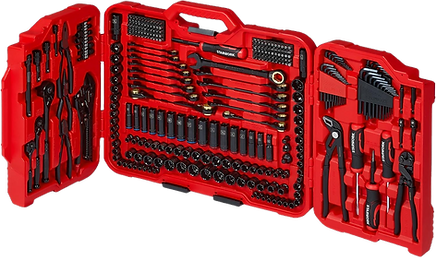
To start, your going to need at least a basic mechanics tool set. This will consist of sockets, ratchets, screwdrivers, wrenches and more. Here are some examples available on Amazon.

What Type of Floor Jack Should I Get?
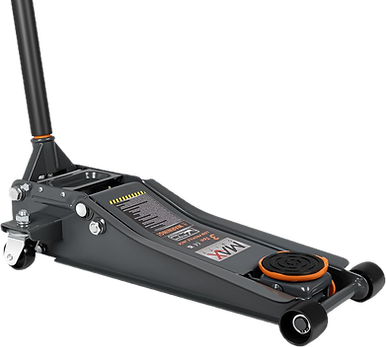
If you're going to get under your vehicle, you're going to need a floor jack. I tend to go to our long reach 3 ton the most and I found these options on on Amazon.

What Are Jackstands? A MUST for Safety!
You absolutely cannot lay under a vehicle safely without jackstands. Don't even think about it!
Jackstands are sturdy supports that will be placed under structural areas of cars and trucks to safely support them while performing service and repairs. Here is short video that will show the difference between 3 ton and 6 ton jackstands.
Cars can generally be serviced well with 3 ton units, but I have found the 6 ton jackstands to be most useful. Trucks and SUVs will definitely have to have 6 ton stands. Here are some options available on Amazon.


What About Drive On Ramps?
Drive on (or up) ramps are a good option that offer a faster and simpler approach to getting your vehicle up in the air for service. Some are fixed height polypropylene or steel ramps that provide a set amount of lift and some have built in jacks for times when you need additional height. Check these out.

Polypropylene service ramps

Steel service ramps

Steel hydraulic lift ramps
What is a Repair Manual?
Repair manuals are detailed documents that will provide instructions for service and repair procedures. Think of it as a DIY road map for your vehicle. These are searchable documents that allow you to pinpoint the exact information you need to get started. Part locations, fluid capacities, torque specs, service sequences and more will be very valuable to have. This will also provide a BIG boost in confidence!
Find your repair manual here.
We use affiliate links whenever possible, which means we may earn a small commission if you decide to grab your parts through the included links. It doesn’t cost you anything extra—just helps keep the lights on and the wrenches spinning!
